Edible Oils
Sunflower oil
All sunflower oils are 100 percent fat and include vitamin E. This fat-soluble nutrient can protect the cells from age damage. This oil does not dot contain protein, carbs, cholesterol, and sodium. One tablespoon of sunflower oil contains:
• Calories 120
• Protein: 0 grams
• Fat: 14 grams
• Carbohydrates: 0 grams
• Fiber: 0 grams
• Sugar: 0 grams
Sunflower oil is also a good source of Vitamin E and Vitamin K
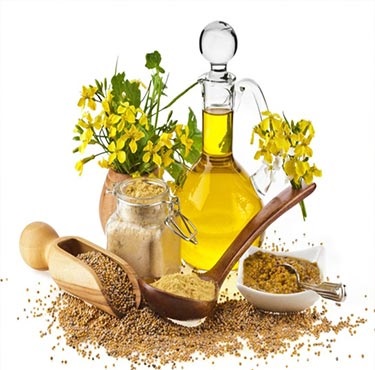
Mustard oil
Mustard oil is extracted at a low pressure and low temperature. It contains 0.30-0.35% essential oil, which acts as a preservative. It is one of the best options for heart patients as the composition of Omega 3 and Omega 6 fatty acids in the ratio close to 10:1 is rarely found in other oils.
Mustard Oil Nutrition: The oil contains the following
• 60% Monounsaturated fatty acids(MUFA)
• 21% polyunsaturated fats(PUFA)
• 12% saturated fats
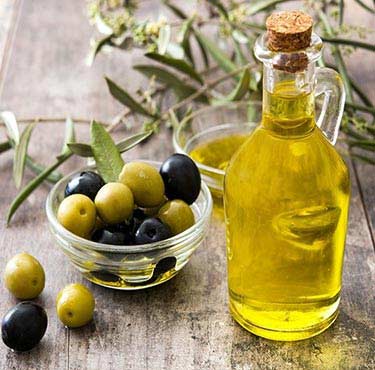
Olive oil
This oil, which is extracted from the olive fruit, contains no carbohydrates or protein. All of the calories in the oil comes from fat, and that too the good monounsaturated fat, which makes the oil and nutritious addition to any diet.
One tablespoon of olive oil provides the following in terms of nutrition
- Calories: 119
- Fat: 14g
- Sodium: 0.3mg
- Carbohydrates: 0g
- Fiber: 0g
- Sugars: 0g
- Protein: 0g
- Vitamin E: 1.9mg
- Potassium: 0.1mg
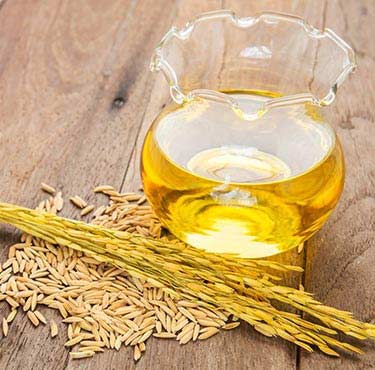
Rice barn oil
It is the perfect balance of saturated, monounsaturated, and polyunsaturated fat as recommended by the World Health Organization. Multiple nutrients such as γ-oryzanols, phytosterols, tocopherols, and tocotrienols in the oil provides many health benefits.
Crude rice bran oil is composed of the following
. Triglycerides: 81.3% to 84.3%
. Diglycerides: 2% to 3%
. Monoglycerides: 5% to 6%;
. Free fatty acids: 2% to 3%
. Waxes: 0.3%
. Glycolipids: 0.8%
. Phospholipids: 1.6%
. Unsaponifiables: 4%.
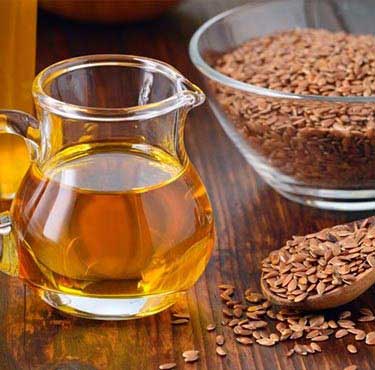
Flax seed oil
The nutrition profile of one tablespoon of flaxseed oil is mentioned below:
• Calories 123
• Calories from Fat 123
• Total Fat 13.9g21%, where the % Daily Value is based on a 2000 calorie diet.
• Saturated Fat 1.3g6%
• Trans Fat 0g
• Cholesterol 0mg0%
• Sodium 0mg0%
• Potassium 0mg0%
• Total Carbohydrate 0g0%
• Dietary Fiber 0g0%
• Sugars 0g
• Protein 0g0%
• Vitamin A 0%
• Vitamin C 0%
• Calcium 0%
• Iron 0%
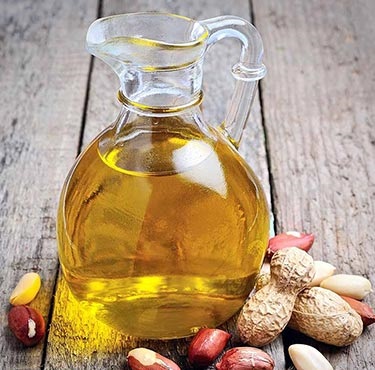
Ground nut oil
utritional composition of one tablespoon of peanut oil is mentioned below:
• Calories: 119
• Fat: 14 grams
• Saturated fat: 2.3 grams
• Monounsaturated fat: 6.2 grams
• Polyunsaturated fat: 4.3 grams
• Vitamin E: 11% of the RDI
• Phytosterols: 27.9 mgg
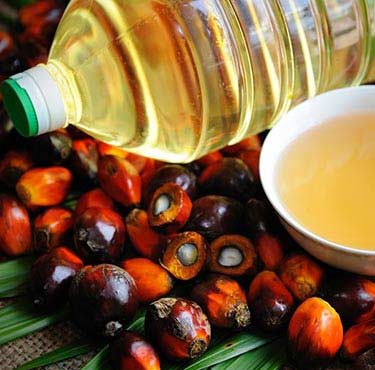
Palm oil
Edible Oil is one of the most used ingredients in cooking and the edible oil industry has seen a vast change due to the increased health awareness of the the people in General. Most of the People are moving from the traditionally used dairy based oils to the more healthier Plant and Seed Based oils such as Peanut Oil, Sunflower Oil, Olive Oil, etc. The Increase in Population has seen a Steady Increase in the Demand which has led to a steady growth in the Edible Oil Industry at a CAGR of about 11%-15% for the past Decade and is forecasted to increase at a steady pace of CAGR 5% – 7% in the coming 5 years.
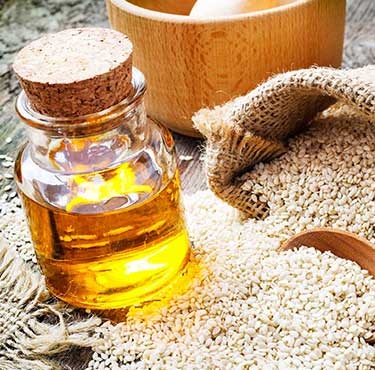
Seasame oil
The oil contains omega-3 and omega-6 fatty acids, both of which are polyunsaturated fats that can help improve immune function and also prevent several diseases, including heart disease and cancer.
Vitamin K is the only essential nutrient having significant presence in sesame oil. It contains monounsaturated fat and polyunsaturated fat in approximately equal amounts, together adding up to 80 percent of the total fat content. The remaining content of sesame oil is primarily palmitic acid, which is a saturated fat. Sesame oil is composed of the following fatty acids:

- Linoleic acid: 41%
- Oleic acid: 39%
- Palmitic acid: 8%
- Stearic acid: 5%
- Others: In small amounts
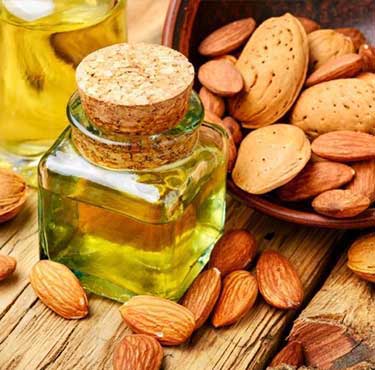
Edible almond oil
Edible Almond Oil nutrition
One tablespoon of almond oil contains the following nutrients.
- Calories: 120
- Fat: 14g
- Sodium: 1mg
- Carbohydrates: 0g
- Fiber: 0g
- Sugars: 0g
- Protein: 0g
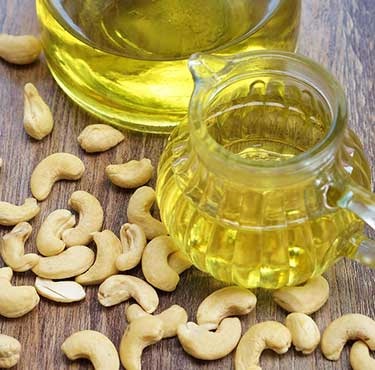
Cashew nut oil
Cashew Nut Oil nutrition
The nutritional information for 100 g of cashew nut oil is mentioned below.
• Calories 884 kcal
• Total fat 100 g
• Saturated fat 19.6 g
• Trans Fat 0 g
• Cholesterol 0 mg
• Sodium 0 mg
• Total Carbohydrate 0 g
• Dietary Fiber 0 g
• Sugars, total 0 g
• Protein 0 g
• Vitamin D 0 IU
• Calcium 0 mg
• Iron 0 mg
• Potassium 0 mg
Conola oil
- Preferred and verified by most of the families in Canada, USA and Japan, and Mexico, Canola oil is one great option for a healthy livelihood.
- Canola oil is scientifically known for its convivial nature, at providing potential cardiac and diabetic individuals the ease of having delicious food without having to worry about the consequences. Rich in essential nutrients, Canola oil is an easy way to have one less health concern to get occupied with.
- Interested to buy Canola oil at best price? Please give us a call at: 0120-4148741,4148742,4148743, or get a quote by simply clicking the button on the left side of screen.
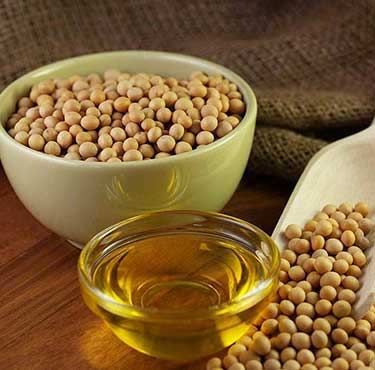
Soy bean Oil
The oil contains high amounts of monounsaturated fat and polyunsaturated fat and is low in saturated fat. 100 g of soybean oil contains 16 g of saturated fat, 23 g of monounsaturated fat, and 58 g of polyunsaturated fat. Saturated fatty acids and palmitic acid are the other constituents of the oil.
- Polyunsaturates alpha-linolenic acid 7-10%
- Linoleic acid 51%
- Monounsaturate oleic acid 23%
- Stearic acid 4%
- Palmitic acid 10%
Olive oil nutrition
One tablespoon serving of soybean oil comes with the following nutrient profile
- Calories: 120
- Fat:14 g, 21% DV
- Cholesterol: 0 g
- Saturated Fat: 2 g, 11% of DV
- Protein: 0 grams
- Carbohydrates: 0 g
- Vitamin K: 31%
- Vitamin E: 6%
- Polyunsaturated Fats: 8 g
- Omega-3 fatty acids:917 mg
- Omega-6 fatty acids:6807 mg